Self-Employed NonQM Bank Statement mortgage verification CPA Letters / P&L Statements / Tax Return services

What to Do When Your CPA Refuses a Mortgage Verification Letter (Guide for Podcasters, Influencers, and Creators)
Podcasters, influencers, and creators earning income from YouTube, Patreon, OnlyFans, Rumble, and Substack often struggle when lenders require a CPA letter. Learn how USTaxCerts supports self-employment verification for mortgage approvals, even after a CPA refuses to provide a verification letter.
Danny Flucke
3/11/20265 min read
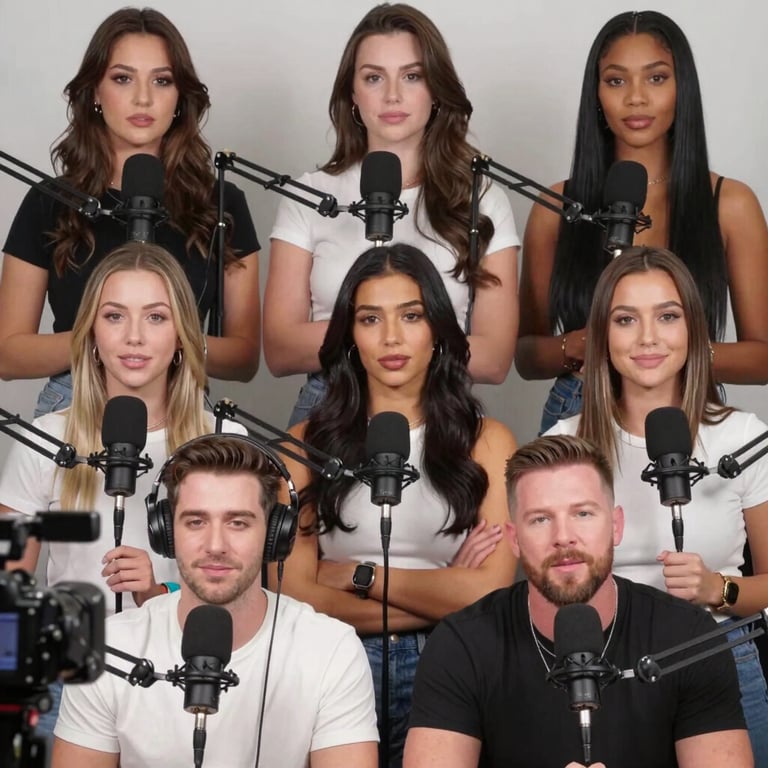
How Podcasters, Influencers, and Content Creators Qualify for Mortgages
The creator economy has produced a new generation of entrepreneurs.
Podcasters.
Livestream broadcasters.
YouTube and Rumble creators.
Instagram and TikTok influencers.
Subscription content creators on platforms like OnlyFans, Patreon, and Substack.
Many of these professionals generate substantial income. Yet when they apply for a mortgage, they often encounter a frustrating problem:
Traditional mortgage underwriting was not designed for creator-economy income.
One of the most common roadblocks appears when lenders request a CPA letter confirming that the borrower is self-employed.
When a CPA refuses to provide the letter -
Or the borrower doesn’t have a CPA relationship at all -
The home mortgage approval can fail.
Fortunately, there are solutions. But first lets talk about WHY you need a CPA letter...
Why Mortgage Lenders Ask for a CPA Letter
In many self-employed mortgage files, lenders request a CPA letter for mortgage verification to confirm that a borrower:
• Actually owns a business
• Is actively self-employed
• Has been operating the business
• Generates income through that business
The letter is NOT meant to CALCULATE income.
It simply CONFIRMS the borrower operates an ACTIVE and LEGITIMATE business.
The Problem: CPA Friction
Many CPAs decline requests for a mortgage CPA letter.
This happens for several reasons:
• Liability concerns
• Tax firm policies against verification letters
• Lack of knowledge with self-employed mortgage underwriting requirements
• They are not insured to provide verifications.
Whenever the CPAs and/or tax firms refuse to cooperate, the mortgage approvals typically fail.
This issue is commonly referred to in the lending industry as CPA friction.
Creator Income Often Comes From Multiple Platforms
Podcasters, influencers, and content creators rarely receive income from a single source.
Instead, their revenue may come from multiple platforms and monetization channels.
For example, many creators earn income through subscription and content platforms such as:
• YouTube – advertising revenue, channel memberships, and live stream donations
• Patreon – paid membership communities and recurring supporter subscriptions
• OnlyFans – subscription content and direct audience support
• Rumble – advertising revenue and creator monetization programs
• Substack – paid newsletter subscriptions and premium content
Additional revenue may come from:
• brand sponsorships
• affiliate promotions
• livestream donations
• merchandise sales
• advertising partnerships
How USTaxCerts Solves The “CPA Friction” Self-Employment Verification Problem
When a CPA refuses to provide a CPA letter for mortgage verification, independent verification from USTaxCerts can help confirm the borrower’s business activity.
The goal of self-employment verification is to confirm key underwriting factors, including:
• Active self-employment
• Business ownership
• Operational consistency
• Financial activity consistent with the business model
At USTaxCerts, this process involves reviewing multiple verification indicators, such as:
• Business working papers and financials
• Lender-provided materials
• Borrower-submitted records
• Bank statements account activity and/or P&L data indicators
• Public business records where applicable
• Media platform activity and audience metrics
This type of CPA letter documentation helps lenders understand the borrower’s business.
Verifying Podcasters, Streamers, and Influencers
Digital creators operate legitimate businesses, but their business models differ from traditional companies.
Instead of selling physical products or services, creators monetize audience reach and engagement.
When verifying creator businesses, several indicators help confirm operational activity.
Audience Metrics
Subscriber counts, follower numbers, and video views confirm the creator maintains an active audience.
Broadcast Activity
Regular livestreams, podcast episodes, or video uploads indicate ongoing operational activity.
Content Production Frequency
Consistent content publishing demonstrates the borrower actively works in the business.
Monetization Structure
Revenue may come from:
• YouTube advertising revenue
• Patreon memberships
• OnlyFans subscriptions
• Rumble creator monetization
• Substack newsletter subscriptions
• Sponsorship agreements
These indicators help translate the creator’s business model into something underwriting professionals can evaluate.
Example: Mortgage Verification for a Digital Creator
USTaxCerts recently assisted a livestream broadcaster and podcast host whose income was generated through digital media platforms. The borrower operated a channel with a large online audience and produced regular long-form multi-hour livestream broadcasts.
The mortgage approval was at risk because the borrower’s CPA declined to provide a CPA letter for self-employment verification.
By documenting platform activity, audience engagement, financial transaction patterns, and operational consistency, the borrower’s digital media business was verified by USTaxCerts for underwriting approval.
USTaxCerts has provided similar verification for other creators as well, including social media influencers and subscription creators on platforms such as OnlyFans and Patreon.
Each case demonstrates the same principle:
Creator-economy businesses are real businesses – They simply require specific and unique documentation.
Mortgage Options for Influencers and Content Creators
Many influencers assume they cannot qualify for a mortgage because their income structure is unconventional. However, there are specialty lenders who regularly work with self-employed borrowers. These programs are designed for individuals whose income may not fit traditional “tax return” documentation.
Examples include borrowers who earn income through:
• YouTube channels
• Patreon subscription communities
• OnlyFans content platforms
• Rumble livestream broadcasting
• Substack newsletters and paid content
With the right documentation, many creators can qualify for a mortgage just like other self-employed professionals.
What To Do If Your CPA Refuses a Mortgage Letter
If your lender requests a CPA letter for mortgage verification and your CPA declines, you still have options.
The key is knowing what tax firms has experience delivering the proper documentation to those lenders providing “self-employed” home loan mortgage approvals.
Here is what to look for:
• Active current positive verified reviews from other self-employed borrowers and lenders
• Verify they have the required “verification insurance” upgrades to their standard tax preparation E&O (Errors & Omissions) insurance. (Just ask to see the policy)
• Check the tax licensing with the IRS (Additional certifications such as AFSP & CTEC credentials are almost always required by the lenders)
• TALK to a live person either at their office or via video. (Beware of scammers posing as tax firms to steal your financial and personal information)
BONUS SECTION: Easy Verification Hacks:
How to spot a scammer posing as tax firms
Look at the listed employees LinkedIn accounts. How long has it been active? How many connects do they have? Are they posting and interacting?
A sure sign of a scammer is falsely claiming “thousands of clients” without any Google reviews.
Another is if they use the title CPA without also posting their IRS CPA license number. It is actually illegal to NOT post IRS license numbers in marketing and communications, making this a great way to expose the scammers.
Self-Employment Verification for the Creator Economy
The creator economy continues to grow rapidly, and more borrowers now earn their living through online platforms.
Podcasters, influencers, livestream hosts, and subscription creators on platforms like YouTube, Patreon, OnlyFans, Rumble, and Substack are entrepreneurs operating real businesses.
The challenge is ensuring mortgage underwriting has the documentation needed to understand those businesses.
By using the right tax firm, and the right tax professional, many creator-economy borrowers are successfully navigating the mortgage approval process.
About USTaxCerts - The Engine Powering NonQMVerifi
USTaxCerts is the engine powering NonQMVerifi.com and provides self-employment and business verification letters and reports for mortgage lenders, prepared by IRS-licensed tax professionals experienced with self-employed mortgage approvals.
These verification reports help lenders confirm active business operations for self-employed borrowers whose CPAs may be unable or unwilling to provide a CPA letter for mortgage verification.
USTaxCerts works with mortgage lenders, loan officers, and borrowers nationwide to help self-employed individuals keep their loan files moving forward towards approvals.
Learn more at USTaxCerts.com.


Services
Expert tax services for self-employed business owners - Including tax return options and self-employed mortgage (NonQM) verification letters. Click HERE for your options.
Contact Us:
Support@USTaxCerts.com
Nationwide Toll-Free: 877.251.5522
USTaxCerts.com is a DBA of DCF Holdings, LLC. 2001 Timberloch Dr, Suite 500, The Woodlands, TX 77380
DUNS#134739017
© 2023, 2024, 2025. All rights reserved.